
How to Increase Engagement Ring Conversions Online
A practical guide to helping customers choose confidently and improving conversion throughout the online buying journey.
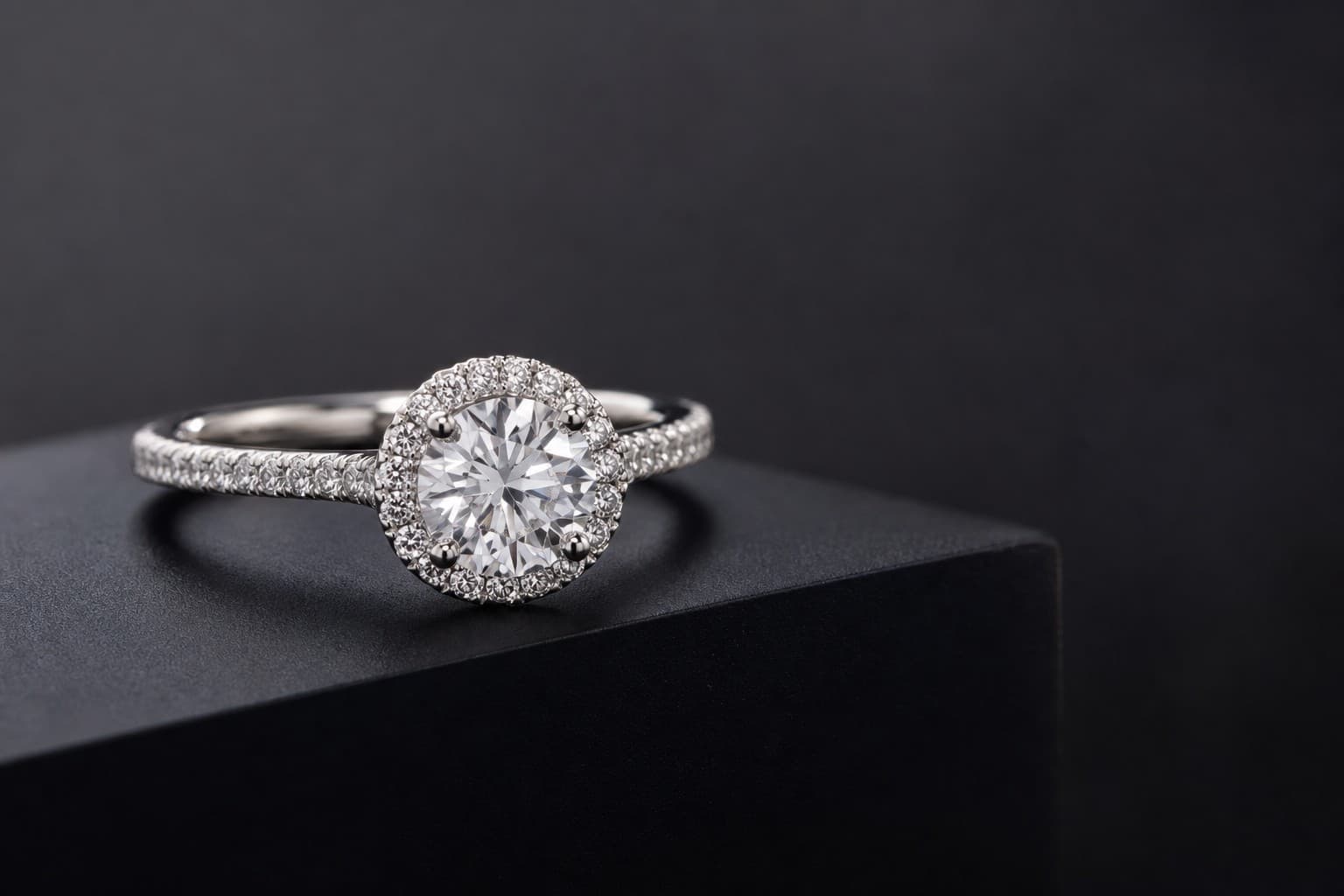
Many engagement ring shoppers are emotionally ready to buy but digitally unready to commit. They may love the product, but if the online experience feels confusing, generic, or risky, they hesitate. Conversion improves when a retailer reduces uncertainty at every step instead of simply adding more products to the catalog.
Start with decision support, not just product volume
High-consideration purchases need guidance. A shopper choosing an engagement ring is balancing budget, style, diamond quality, partner expectations, and delivery timing all at once. If your site only shows a filter-heavy grid, the customer still has to do the emotional labor alone. Strong conversion pages explain differences clearly, narrow options, and create a sense of progress.
- Show buying guidance near the product, not buried in a blog archive.
- Offer clear comparisons between ring styles, metal options, and center stone shapes.
- Use reassurance copy around sizing, production time, customization, and returns.
Make pricing feel understandable
When customers do not understand what changes the price, they tend to assume the worst. Engagement ring pricing becomes more trustworthy when you surface the logic behind it. Show how diamond size, quality, metal, and setting style contribute to the final number. If the experience includes live pricing, explain that the figure reflects current diamond selection and customization choices.
Retail reality
Pricing transparency does not mean exposing your margin. It means making the customer feel that the quote is coherent, current, and tied to real product choices.
Use product pages to build trust before the inquiry
Retailers often rely on post-click conversation to do the persuasive work, but by then many visitors are gone. The product page should already answer core objections. Explain certifications, shipping expectations, customization flow, financing if available, and whether the ring is made to order. Rich visuals also matter: multiple angles, close-up detail, and a credible representation of scale all reduce friction.
Conversion improves when the page feels like a knowledgeable sales associate, not a silent catalog.
Create a smoother path to the next action
Not every engagement ring shopper is ready to check out immediately. Your funnel should support three natural next steps: request guidance, save a favorite configuration, or book a consultation. When those actions are present and clearly framed, visitors can keep moving forward instead of abandoning the session.
- Primary CTA for ready buyers or high-intent customizers.
- Secondary CTA for consultation or help choosing a diamond.
- Tertiary CTA for saving or sharing a configuration with a partner.
The goal is not to force every user into one path. The goal is to prevent hesitation from becoming exit behavior. For engagement ring retailers, the stores that convert best online are usually the ones that respect how much confidence-building the decision requires.
Keep exploring
Turn education into action
Use Gemtheon Academy to learn, then continue with interactive tools that help retailers and design partners turn knowledge into practical progress.
Related articles
Keep exploring the ideas, workflows, and growth tactics connected to this topic.
What Makes a Jewelry Product Page Actually Convert
The elements that turn product pages into confidence-building sales assets instead of static listings.

7 Ways Jewelry Retailers Can Improve Website Conversion
Practical tactics to reduce bounce rate and turn visitors into buyers on your jewelry website.

Jewelry SEO: How to Rank Local and Product Pages
SEO strategies specifically for independent jewelers, from Google Business visibility to structured product content.